Build a Capsule Wardrobe Without Overspending
Streamline your closet and your costs. Learn how to plan, shop smart, and style versatile pieces to build a capsule wardrobe on a budget.
Define Your Style and Goals
A capsule wardrobe keeps your shopping focused by trimming choices to pieces you truly wear. Start by outlining your real lifestyle: work setting, commute, climate, social plans, and comfort preferences. Identify silhouettes you repeat, like straight-leg trousers or relaxed knits, and note a simple uniform you enjoy. Set a realistic budget and estimate cost per wear so spending aligns with usage; a fairly priced jacket worn weekly can be better value than a cheap piece that rarely leaves the hanger. Create a short shopping plan: number of tops, bottoms, layers, and shoes, with rough price ranges. Limit yourself to a concise palette and two or three silhouettes that mix easily. Photograph favorite outfits to see patterns in color, texture, and fit. This clarity prevents impulse buys, duplication, and trend chasing. With a vision, every purchase must earn its place by adding versatility, solving a wardrobe gap, and working with at least three items you already own.
Choose a Cohesive Color Palette
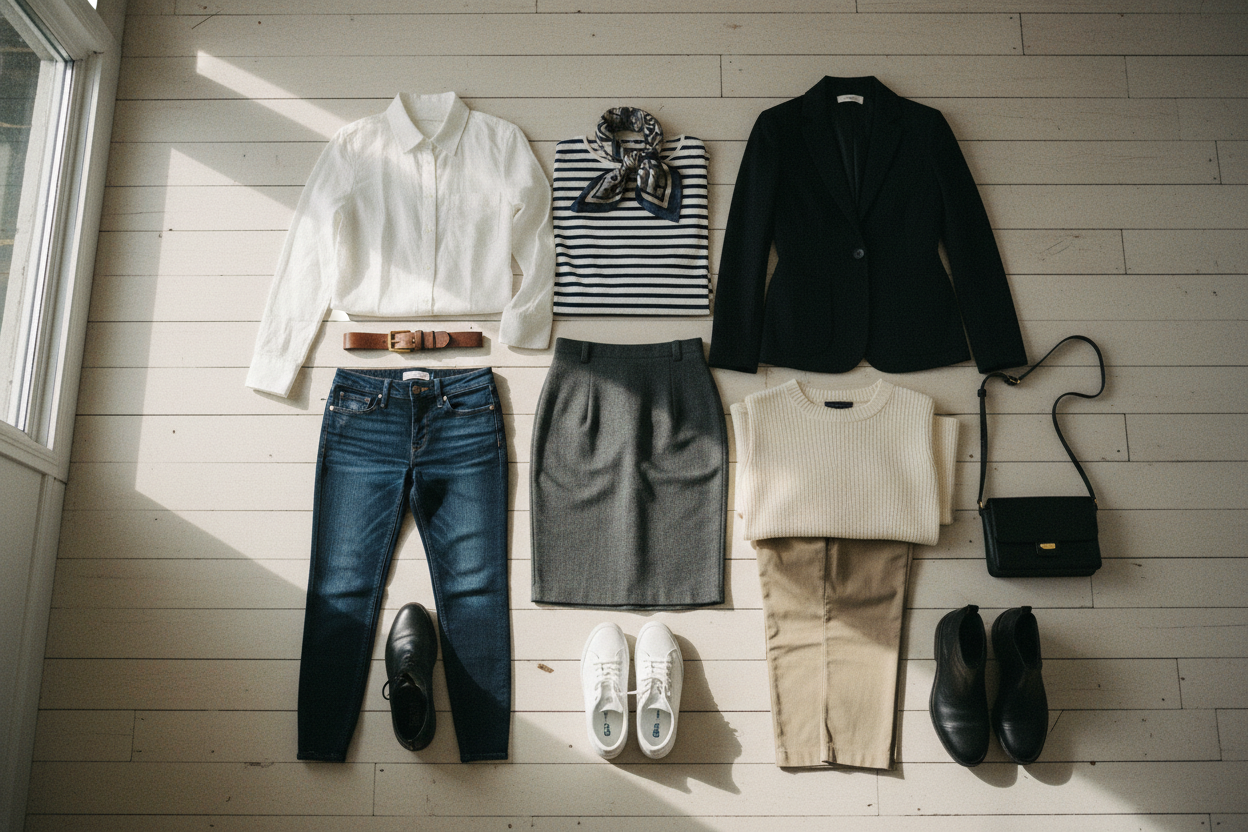
A cohesive palette maximizes mix and match power, stretching each dollar. Start with two or three neutrals such as black, navy, camel, grey, or ivory, chosen to flatter your undertones and existing pieces. Add one or two accent colors you love for personality. Keep prints simple and scale-limited so they blend across outfits; think subtle stripes or checks that act like neutrals. Mix texture—denim, fine knit, crisp cotton, soft wool—to add depth without complicating combinations. Align metals on hardware and jewelry for a polished look that pulls outfits together. Consider laundry realities: darker hues disguise wear, while lighter tones may need gentler care. When evaluating a new item, ask whether it harmonizes with your base colors and textures and whether it builds at least three new outfits. This disciplined approach reduces overspending by eliminating orphan pieces, limits redundancy, and turns every addition into a multiplier of versatility rather than a single-use purchase.
Prioritize Fit, Fabric, and Function
Buying less and choosing well depends on fit, fabric, and function. Fit first: seams should sit correctly at shoulders and hips, hems hit your preferred spot, and movement should feel easy. If an item is almost right, factor in tailoring; small adjustments can transform longevity and comfort. Inspect construction: even stitching, secure buttons, aligned patterns, and smooth zippers signal durability. Read fiber content to match needs: breathable cotton and linen, resilient wool, easy-care blends, or performance fabrics for active days. Check stretch recovery by gently pulling and seeing if the fabric bounces back. Look for thoughtful details like lining where needed, functional pockets, and reinforced stress points. Confirm care requirements fit your routine; if you will not hand-wash or dry-clean regularly, skip high-maintenance pieces. Evaluate function by testing how the garment works with your shoes, layers, and bag. Choosing quality foundations reduces replacements, supports cost-per-wear goals, and prevents overspending on short-lived trends.
Build Around High-Impact Essentials
Anchor your capsule with essentials that dress up or down seamlessly. Think structured blazer or chore jacket, tailored trousers, dark denim, crisp button-down, refined tee, versatile knit, simple dress, and a reliable coat that layers over everything. For shoes, prioritize versatility: clean sneakers, loafers or flats, and ankle boots cover most settings. Choose seasonless weights where possible so layers stack without bulk and extend wear across changing temperatures. Aim for quality over quantity, selecting pieces with clean lines and minimal embellishment to avoid dating. Each essential should integrate with at least three others, enabling a rotation of outfits for work, weekends, and occasions. Favor mid-rise to high-rise bottoms that pair with tucked or untucked tops, and keep hemlines adaptable to your footwear. By building around high-impact staples, you eliminate the urge for constant shopping, reduce decision fatigue, and protect your budget while still looking polished and intentional every day.
Shop Smart and Stretch Your Budget
Turn buying into a strategy, not a habit. Keep a running wishlist aligned to your plan and set a firm ceiling price for each category. Use cost-per-wear to compare options and favor items that serve multiple outfits. Explore secondhand, resale, and consignment for premium fabrics at accessible prices; try on different labels to learn your best fits. Shop end-of-line or off-peak to capture discounts, and stack store promotions with loyalty rewards when available. If tailoring is needed, include it in the total; a perfectly adjusted garment often outperforms a cheaper compromise. Consider bundles for socks, tees, and underlayers to lower unit costs. Avoid buying duplicates unless they fill a proven gap. Pause on every cart: does the item solve a specific need, match your palette, and pass the three-outfit test. Thoughtful timing, methodical lists, and a value mindset expand your capsule without overspending.
Maintain, Rotate, and Refresh Intentionally
Smart shopping includes care that extends life and preserves shape. Follow care labels, but default to gentler cycles, mesh bags, and air-drying to reduce wear. Invest in a fabric shaver, lint brush, and steamer; quick upkeep makes basics look new. Use cedar or lavender to deter pests and breathable garment bags for knits and suiting. Rotate shoes to let them air out and add shoe trees to maintain structure. Learn simple repairs—sewing buttons, mending seams, adjusting hems—or budget for a tailor and cobbler. Conduct seasonal audits: evaluate what you wore most, identify gaps, and release pieces that no longer fit or serve your palette. Try a one-in-one-out rule to control volume. Small refreshes like swapping a belt, updating a tee, or adding a versatile scarf can revive multiple outfits. With maintenance and intentional edits, you safeguard cost-per-wear, reduce replacements, and keep your capsule focused and functional.
Avoid Common Pitfalls
Guard your budget by sidestepping predictable traps. Beware trend chasing that clashes with your palette or lifestyle. Limit duplicates unless the first item is a proven workhorse. Do not let sale FOMO override fit, function, or return policies; a markdown does not fix a mismatch. Avoid the fantasy self purchase—heels for a life lived in sneakers or formalwear for rare events. Be honest about sizing and comfort; buying for a future version of yourself leads to waste. Watch hidden costs like special detergents, dry cleaning, or impractical care demands. Consider how new pieces work with existing shoes, outerwear, and bags to prevent stranded outfits. Time your purchases and review your wishlist regularly to curb impulses. When uncertainty lingers, walk away and revisit in a few days. Clarity, not volume, builds a capsule that looks cohesive, wears beautifully, and protects your resources without sacrificing personal style.