Emergency Funds Made Easy: Save for Life's Surprises
Make emergencies manageable: set a realistic target, automate small transfers, keep cash in high-yield savings, and know when to spend and rebuild.
Why an Emergency Fund Matters
Life does not always arrive on schedule, and that is exactly why an emergency fund is essential. A dedicated financial cushion softens the blow from job disruptions, medical surprises, urgent travel, or a failing water heater that chooses the worst possible moment to break. Without a reserve, many people lean on high-interest debt, turning a temporary setback into a long-lasting burden. With a buffer in place, you gain peace of mind, reduce stress-fueled decisions, and protect the progress you are making toward goals like homeownership, education, or retirement. An emergency fund also preserves your ability to negotiate. When a crisis strikes, you are not forced to sell investments at a bad time or accept unfavorable terms. Instead, you can pause, compare options, and act strategically. In short, this fund is not just cash; it is resilience. It keeps your plans intact when the unexpected knocks, helping you stay steady, resourceful, and focused on what matters most.
Setting a Realistic Target
A strong plan starts with a practical number. Common wisdom suggests building a reserve that covers essential expenses for several months. Consider housing, utilities, groceries, transportation, insurance, and minimum debt payments. If your income swings or you are self-employed, aim for a larger runway. That said, do not let a big goal stall your action. Establish a starter milestone first to gain momentum, then scale up as your income and confidence grow. Revisit your target when circumstances change: a move, a new dependent, a higher rent, or evolving insurance needs can shift the right size of your cash buffer. Keep your focus on needs, not wants; an emergency fund safeguards essentials, not lifestyle extras. By anchoring your number to real monthly costs, you create clarity, reduce guesswork, and build flexibility into your plan. The target is personal, but the principle is universal: protect your baseline so everything else can continue moving forward.
Small Steps That Add Up
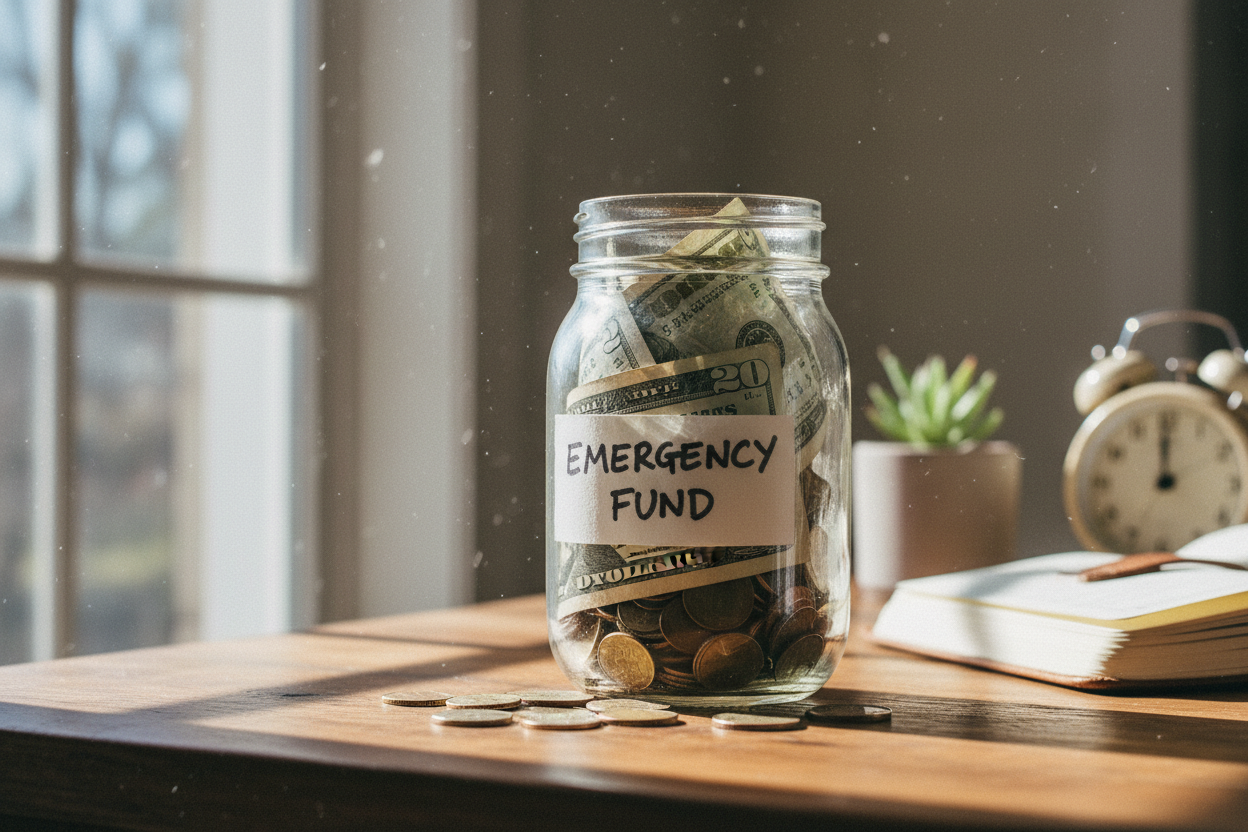
Getting started is easier when you prioritize consistency over perfection. Automate a modest transfer right after payday, even if it feels tiny. Small deposits compound into meaningful protection when combined with time and discipline. Use round-up tools to sweep spare change, funnel side-gig income into the fund, or redirect savings from canceled subscriptions and negotiated bills. Declutter and sell unused items to jump-start the balance. Simplify decision-making by naming the account Emergency Fund and keeping it visible on your dashboard. That language cue reinforces its purpose. Reduce friction wherever you can: set calendar nudges, build habit stacks like moving money while you make morning coffee, and reward yourself for streaks. Treat occasional windfalls as a fast-forward button, not a shopping pass. Progress accelerates when you protect momentum, celebrate every milestone, and avoid all-or-nothing thinking. Your job is not to be perfect; it is to show up, again and again, so small actions produce large results.
Choose the Right Home for Cash
The best place for your emergency fund emphasizes liquidity and safety. You want quick access without risking principal. Many savers prefer a separate high-yield savings or money market account, which keeps funds accessible while discouraging impulsive spending. Separation from your everyday checking creates a temptation barrier yet allows same-day or next-day availability when you truly need it. Look for low fees, straightforward terms, and reliable customer service. Resist parking this money in volatile assets like stocks or crypto; the goal of an emergency fund is stability, not growth. If returns tempt you to take on risk, remember that a downturn often coincides with stressful life events. Keep your buffer boring, predictable, and ready. Consider a small amount of cash at home only for brief, genuine disruptions, and prioritize secure storage. Ultimately, your emergency fund should be easy to reach in hours or days, not weeks. That balance preserves your options and protects your peace of mind.
Automate and Adjust Over Time
Automation is the engine that builds your safety net while life gets busy. Set a transfer on payday and treat it like a nonnegotiable bill. A simple percentage-of-income rule can scale naturally as your earnings change. When you receive a raise or bonus, adopt a step-up strategy: increase your contributions before you adjust lifestyle spending. If your income fluctuates, set a base transfer you can usually afford, then add a small percentage of any month that beats expectations. Regularly review your cash flow to trim fees, renegotiate recurring bills, and funnel the freed-up dollars into your fund. Consider labeling the account within your banking app and turning on activity alerts to reinforce the habit. Reassess your target when rent, family size, or insurance coverage changes. Over time, you will experience fewer money emergencies because you are proactively cushioning them. With pay yourself first on autopilot, you build security without constant willpower.
When to Use It—and How to Rebuild
A clear criteria list protects your fund from impulse withdrawals. True emergencies are urgent, necessary, and unexpected: a job loss, a medical bill, a critical car repair, or an essential home fix that prevents damage. Non-emergencies include vacations, gifts, sales, or predictable expenses that belong in sinking funds. When you do tap the fund, switch immediately to replenish mode. Channel windfalls, pause optional purchases, and temporarily scale back extra debt prepayments while maintaining minimums. Break the refill into weekly or biweekly targets to regain momentum quickly. If the emergency reveals a pattern, adjust your budget and insurance so the same surprise is less likely to recur. Keep a brief note of what happened, what it cost, and how you responded; this reflection turns a setback into a playbook. Remember, using the fund is success, not failure. Its purpose is to carry you through storms—and your priority after the clouds part is to rebuild promptly.
Staying Motivated for the Long Haul
Endurance is easier when your plan aligns with values. Link your emergency fund to stability, family, health, and freedom to choose well under pressure. Track progress visually with a simple bar or checklist of milestones; celebrate each threshold to sustain energy. Guard the fund with healthy boundaries: keep it separate, name it clearly, and avoid treating it as spare cash. Complement your buffer with thoughtful insurance and targeted sinking funds for predictable big-ticket items, which prevents the emergency account from carrying every burden. Revisit your target as life evolves: new dependents, different housing, or changing health needs may require a larger cushion. Schedule a periodic checkup to verify contributions, confirm account terms, and ensure access methods are up to date. The true payoff is financial calm—the confidence that a single surprise will not derail your plans. With clarity, habit, and patience, your emergency fund becomes a quiet engine powering everyday resilience.