Headphones 101: Open-Back vs Closed-Back vs Noise-Cancelling
Learn the differences between open-back, closed-back, and noise-cancelling headphones—sound, isolation, comfort, and when each type makes the most sense.
Choosing Your Headphone Style: Whether you are mixing audio, commuting, or relaxing at home, the big decision starts with open-back, closed-back, or noise-cancelling headphones. Each design manages air, pressure, and outside sound differently, which shapes what you hear and how you feel while listening. Open-back models vent sound through perforated ear cups, creating a spacious soundstage that feels natural but also leaks audio in and out. Closed-back designs seal the ear, boosting isolation and bass punch while keeping your music private. Noise-cancelling sets layer ANC technology on top of closed-back structure to actively reduce ambient noise using microphones and signal processing. Think about your spaces and routines: quiet rooms reward openness; shared offices ask for isolation; frequent travel favors ANC. Consider comfort, weight, clamp force, and materials, because long sessions demand breathable pads and balanced headbands. Finally, match your source gear and content: from podcasts to orchestral music to gaming chat, the right style streamlines focus, reduces fatigue, and elevates everyday listening.
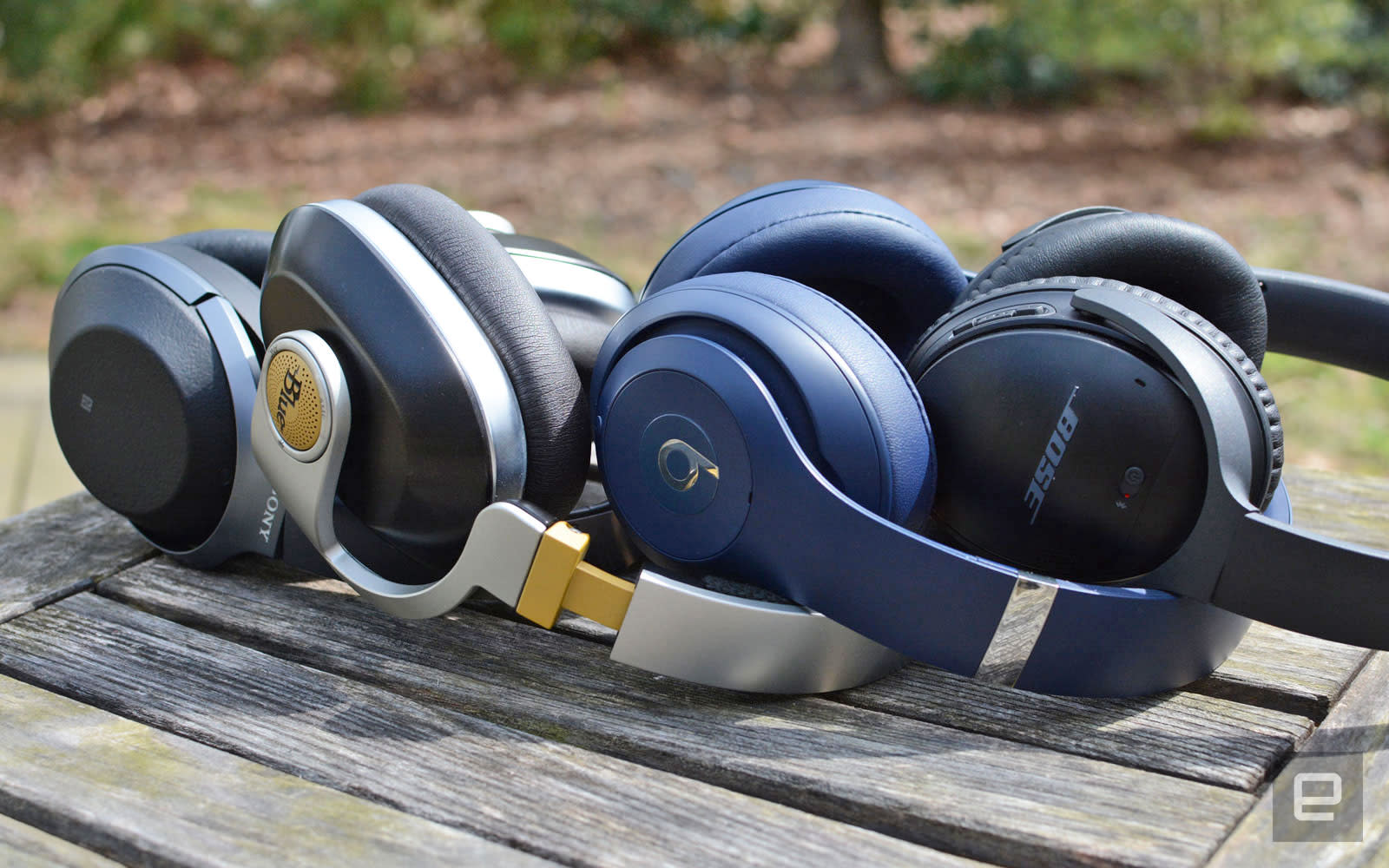
Open-Back Essentials: Open-back headphones are prized for their airy soundstage, lifelike imaging, and effortless treble extension. By allowing air to pass through the cups, they reduce internal reflections that can color the midrange, helping instruments and vocals occupy a realistic space. This design shines with acoustic recordings, orchestral works, and ambient or live performances where spatial cues matter. Gamers also appreciate the precise placement of footsteps and effects. The trade-off is twofold: sound leaks out, and outside noise leaks in, so they suit quiet environments and considerate households. Comfort often benefits from lower ear heat thanks to better ventilation, though clamp pressure and pad depth still matter. Build varies from minimalist metal frames to plush suspended headbands; either way, a stable fit supports consistent frequency response. Pairing with a clean, low-noise source helps reveal microdetail at modest volumes. If you value an organic presentation, relaxed listening, and long-term comfort, open-back designs deliver rewarding transparency.
Closed-Back Control: Closed-back headphones seal the ear to prioritize isolation, privacy, and punchy dynamics. The enclosed cups help block office chatter, gym clatter, or household bustle, and they greatly reduce sound leakage so you can listen without disturbing others. This enclosure can boost perceived bass weight and impact, making closed-backs popular for pop, hip-hop, and electronic music as well as tracking vocals or instruments where microphone bleed is a concern. Because the cups trap energy, designers use damping and materials to manage resonances; quality models keep mids clear and treble controlled while retaining rhythmic drive. Comfort considerations include pad density, headband distribution, and heat buildup during long sessions. Many closed-backs fold for portability, include detachable cables, and withstand daily travel. If your routine includes commuting, shared spaces, or studio work, closed-backs strike a practical balance of clarity, isolation, and durability. Choose stable clamping that avoids hotspots, and monitor listening levels since isolation can encourage higher volume than necessary.
Noise-Cancelling Demystified: Noise-cancelling headphones combine passive isolation with ANC to reduce environmental noise. Tiny microphones sample external sound, and onboard processing generates an inverse signal to cancel mainly low-frequency rumbles from engines, HVAC drones, and steady traffic. You will still hear sharp, irregular sounds, but overall fatigue falls dramatically in transit and open offices. Expect modes like full ANC, ambient or transparency passthrough, and adjustable intensity for comfort. Some listeners perceive a gentle pressure sensation from aggressive cancellation; try different settings to find a natural balance. Because ANC relies on power, battery life, fast charging, and efficient standby management matter. On the audio side, modern tuning and DSP aim to keep mids natural and bass tight even with cancellation enabled, though wind noise and fit can affect performance. For travel, hybrid ANC paired with snug pads delivers the best result. If clarity in noisy environments is your priority, ANC can transform focus, speech intelligibility, and daily productivity.
Comfort and Fit Factors: Great sound needs great comfort. Start with clamp force: enough to seal without pinching. Headband design should distribute weight evenly across the crown; suspended or padded bands reduce hotspots during long sessions. Earpads influence both feel and tonality. Memory foam with leatherette seals well for isolation and bass consistency but can trap heat. Velour and knit fabrics breathe better, favored by open-backs, though they may reduce isolation and bass slightly. Depth matters too; ears should not touch the driver baffle, which can cause discomfort and alter treble. Glasses wearers may prefer softer pads that conform around frames. Weight, swivel range, and yoke articulation affect stability during movement. For workouts or commutes, prioritize secure fit and replaceable pads; for desk work, seek breathable materials. Periodic pad cleaning and eventual replacement maintain hygiene and frequency response. Above all, audition for fifteen minutes at least; comfort felt in minute one can change as heat and pressure accumulate.
Sound and Technical Specs: Interpreting specs helps you match headphones to sources. Impedance and sensitivity determine how easily a pair reaches target volume; high-impedance or low-sensitivity models may need a dedicated DAC-amp, while efficient sets run fine from a phone or laptop. Driver types influence character: dynamic drivers offer engaging punch and versatility, planar magnetic drivers excel at fast transients and low distortion, and hybrid or other designs balance traits. Frequency response curves reveal tonal balance; terms like neutral, warm, and V-shaped describe emphasis across bass, mids, and treble. Look for low total harmonic distortion to preserve detail at volume. Wireless adds Bluetooth codecs that trade quality and latency; prioritize stable connections and low delay for video calls and gaming. Some models include built-in EQ or DSP profiles to tailor sound; subtle adjustments can correct room-like resonances or pad effects. Match your use case: precision for mixing, fun tuning for casual playlists, and low-latency reliability for meetings.
Smart Buying and Care: Start with your environment and habits. For quiet rooms and critical listening, choose open-back transparency. For shared spaces or recording, go closed-back for isolation. For commuting and travel, pick noise-cancelling convenience. Test comfort, clamp, and pad feel; slight pressure grows over time. Evaluate controls, mic quality, and transparency modes if you take frequent calls. Inspect build: metal reinforcements, fold mechanisms, detachable cables, and replaceable pads extend lifespan. A good case prevents damage in bags, while cable strain reliefs reduce fraying. Maintain performance by wiping pads, washing fabric covers when possible, and replacing worn cushions to restore seal and bass. Keep firmware updated on wireless models for stability and features. Store headphones dry, away from extreme heat or moisture, and avoid blasting volume to protect your hearing and drivers. Buy what suits your daily routine, not just specs; comfort, reliability, and thoughtful maintenance deliver lasting value.