High-Performance Motorcycle Engines: What Makes Them Rev
From screaming redlines to precision internals, discover how bore-stroke ratios, valve timing, lightweight components, and tuning unleash motorcycle revs.
Power Density and Thermal Management. High‑performance motorcycle engines chase extreme power‑to‑weight without sacrificing reliability, which puts thermal management at center stage. Dense mixtures and higher compression ratios generate immense heat, so engineers sculpt compact combustion chambers with efficient quench areas to accelerate burn speed and resist detonation. Liquid cooling, high‑capacity radiators, and well‑channeled airflow pull heat from cylinders, while oil jets cool piston crowns from beneath to prevent hotspots during long, high‑load pulls. Advanced materials—such as forged pistons, titanium valves, and heat‑resistant alloys—survive elevated temperatures and reduce mass. Surface treatments and thermal coatings limit heat soak and curb friction, preserving power. Even the spark timing and air‑fuel ratio maps are tuned to balance temperature with torque, ensuring the engine doesn't trade peak output for premature wear. The end result is a compact package that holds its temperature window steady, allowing consistent power delivery lap after lap and a throttle response that stays crisp when the stakes—and the revs—are high.
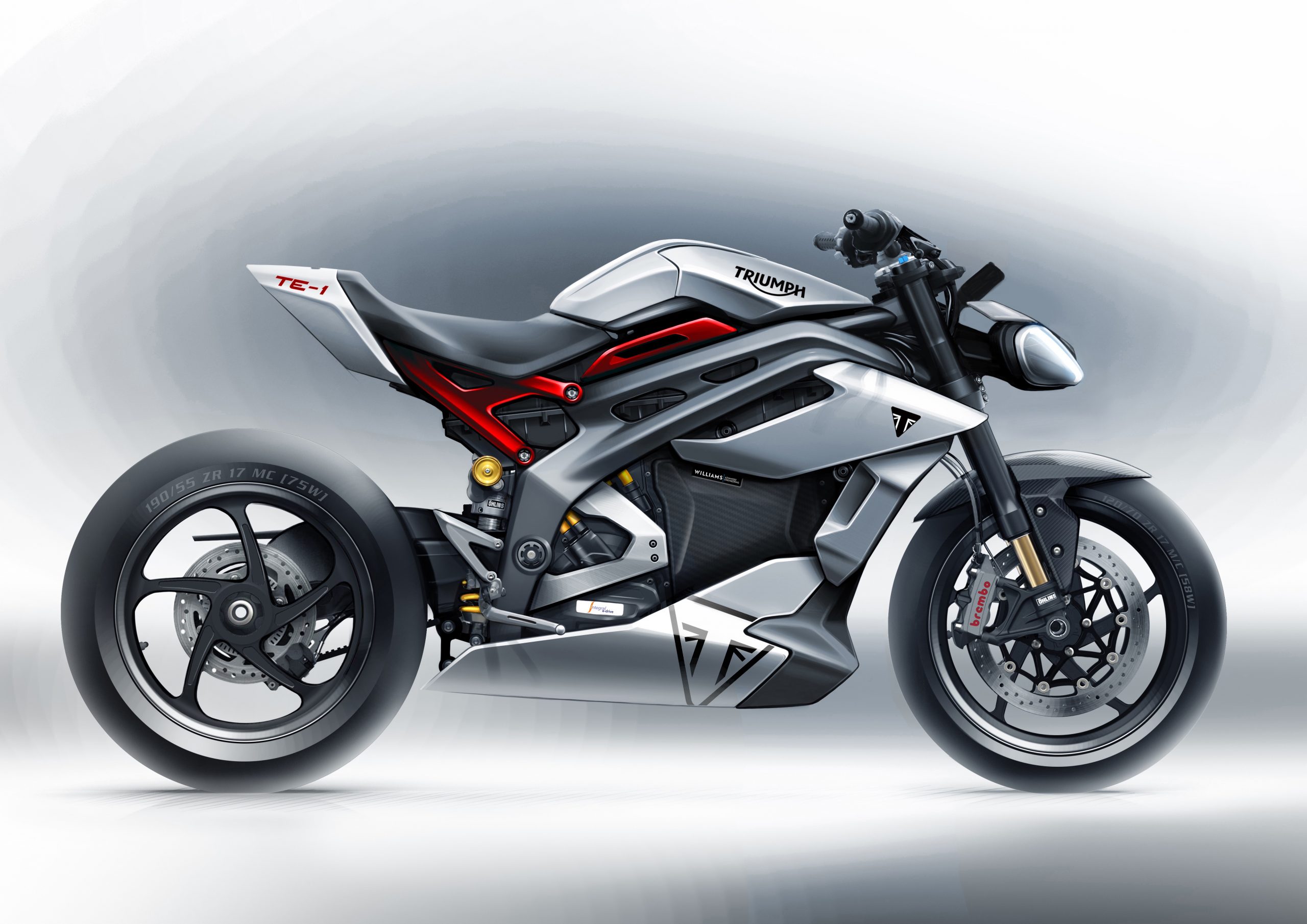
Breathing and Volumetric Efficiency. An engine's ability to rev hinges on how well it moves air, making volumetric efficiency (VE) a decisive metric. High‑revving mills use straight, high‑velocity intake runners, carefully shaped ports, and lightweight, large‑area valves to reduce restriction. Velocity stacks and optimized airboxes stabilize inflow, while variable‑length intake technology broadens the usable powerband by tuning resonance across the rev range. On the hot side, equal‑length exhaust headers and thoughtful collector geometry promote scavenging, leveraging pressure waves to sweep cylinders clean and pull in a fresh charge. Aggressive cam profiles with the right lift, duration, and controlled overlap help fill cylinders at speed without diluting low‑rpm manners. The engine's ECU harmonizes this symphony by tailoring fueling to target torque and protect components. When breathing is optimized from snorkel to silencer, pumping losses shrink, cylinder filling improves, and the motor spins freely—delivering that addictive rush as the needle climbs with effortless urgency.
Bore, Stroke, and Rev Limits. Rev‑happy designs typically favor an oversquare layout—larger bore with shorter stroke—to curb mean piston speed and relieve stress at elevated rpm. A wide bore accommodates bigger valves for improved breathing, while a short stroke reduces piston travel, enabling quicker acceleration with less reciprocating load. Inside, every gram matters: lightweight pistons, thin low‑tension rings, and high‑strength connecting rods trim inertia and friction. Precision balancing of the crankshaft and careful counterweight sizing tame vibration that would otherwise sap power and durability. Low‑drag strategies—like advanced skirt profiles, moly or DLC coatings on contact surfaces, and optimized bearing clearances—let parts glide instead of grind. Even the flywheel is tuned for the right compromise between snap and tractability. Together, these choices extend safe rev ceilings while preserving throttle finesse, so the engine surges cleanly through the upper registers without feeling brittle, rough, or reluctant to keep spinning.
Fuel, Spark, and Smart Control. Precision fuel metering and ignition control transform solid hardware into a razor‑sharp powerplant. High‑flow injectors with fine atomization support stable combustion at extreme piston speeds, while staged or showerhead strategies enrich mixture distribution as airflow skyrockets. The ECU orchestrates timing, injection duration, and throttle‑by‑wire angles to hit torque targets and protect against knock, adjusting for temperature, pressure, and rider demand. Sophisticated ignition maps command coil energy and advance for crisp response without over‑stressing components, and adaptive strategies align air‑fuel ratios with changing conditions. Complementary systems—such as variable valve timing, servo‑controlled exhaust valves, and intake length management—flatten dips in the curve and keep torque available wherever the tach points. This holistic, software‑driven approach turns mechanical potential into accessible performance, delivering immediate pickup off corner exits, linear pull through the midrange, and a clean, authoritative charge to the limiter that feels both seamless and controllable.
Lubrication, Balance, and Longevity. Sustained high rpm demands robust lubrication and impeccable balance. High‑flow oil pumps, smart baffling, and windage‑reducing crankcase designs keep bearings fed during hard braking, steep lean angles, and rapid transitions. Targeted cooling—via piston oilers and focused gallery routing—stabilizes temperatures where loads peak. Internally, tuned crankshaft balance, strategically placed counterbalancers, and thoughtful torsional damping quell harmonics that can erode power and fatigue parts. The valvetrain uses stiff springs, low‑mass followers, and precise lash control to avoid float at the top end. Materials and coatings fight wear, while tight manufacturing tolerances preserve oil films and alignment. On the driveline side, a slipper clutch eases back‑torque shocks that might otherwise disturb the crank during aggressive downshifts. With the right oil, timely service, and careful calibration, the package endures the rigors of redline life—maintaining that signature silk‑meets‑steel sensation every time the throttle is rolled wide.