Investing for Beginners: Start Small, Think Long Term
New to investing? Start small, automate contributions, and think decades, not days. Let compounding work while you learn, diversify, and keep fees low.
Start Small, Build Consistency
Starting your investing journey in personal finance begins with a simple principle: start small and stay consistent. You do not need a large lump sum to participate; even modest, regular contributions can build momentum. Treat investing like a bill you pay to your future self by setting up automation from your checking account to your investment account. This reduces friction, limits procrastination, and keeps emotions out of the process. Prioritize an emergency fund so you are not forced to sell investments at inconvenient times, then direct surplus cash into a diversified portfolio. Use dollar-cost averaging to spread purchases over time and avoid stressing about the perfect entry point. Focus on improving your savings rate through small lifestyle adjustments that are sustainable rather than extreme cuts you will abandon. As your income grows, escalate contributions by small increments. The key is building a repeatable habit, because a steady system outperforms sporadic bursts of enthusiasm.
Think Long Term, Harness Compounding
Successful beginners embrace the mindset of long-term ownership. Markets fluctuate, but patient investors harness compounding, where returns generate additional returns. The earlier you begin, the more time your money has to grow, yet it is never too late to benefit from disciplined consistency. Avoid trying to time the market; missing a handful of strong days can severely undermine results. Instead, focus on time in the market, not clever predictions. Expect volatility and view it as the price of potential growth, not as a signal to abandon your plan. By staying invested through ups and downs and adding steadily, you smooth the ride and give compounding space to work. Align your time horizon with appropriate investments, and consider a diversified core you can hold through cycles. Remind yourself that wealth creation is usually a quiet, incremental process, not a dramatic sprint. The compounding engine hums best when you give it patience, contributions, and calm.
Define Goals and Risk Before You Buy
Clarity fuels confidence. Begin by defining goals such as building a home down payment, reaching financial independence, or funding education. Each goal has a time horizon and a required level of liquidity, which influence the right mix of assets. Assess risk tolerance and risk capacity: how much volatility you can stomach emotionally and how much risk your finances can genuinely handle. Stabilize your base first by paying down high-interest debt and securing adequate cash reserves. Then match investment options to your objectives; shorter goals call for more stability, while longer goals can usually accept more equity exposure. Document a simple investment policy that states your target allocation, contribution plan, and rules for making changes. This reduces impulsive decisions during turbulent markets. Use milestones and checklists to keep progress visible. When you understand why you are investing, it becomes easier to stay the course, adjust thoughtfully, and measure success against your own plan rather than headlines.
Diversification and Allocation Do the Heavy Lifting
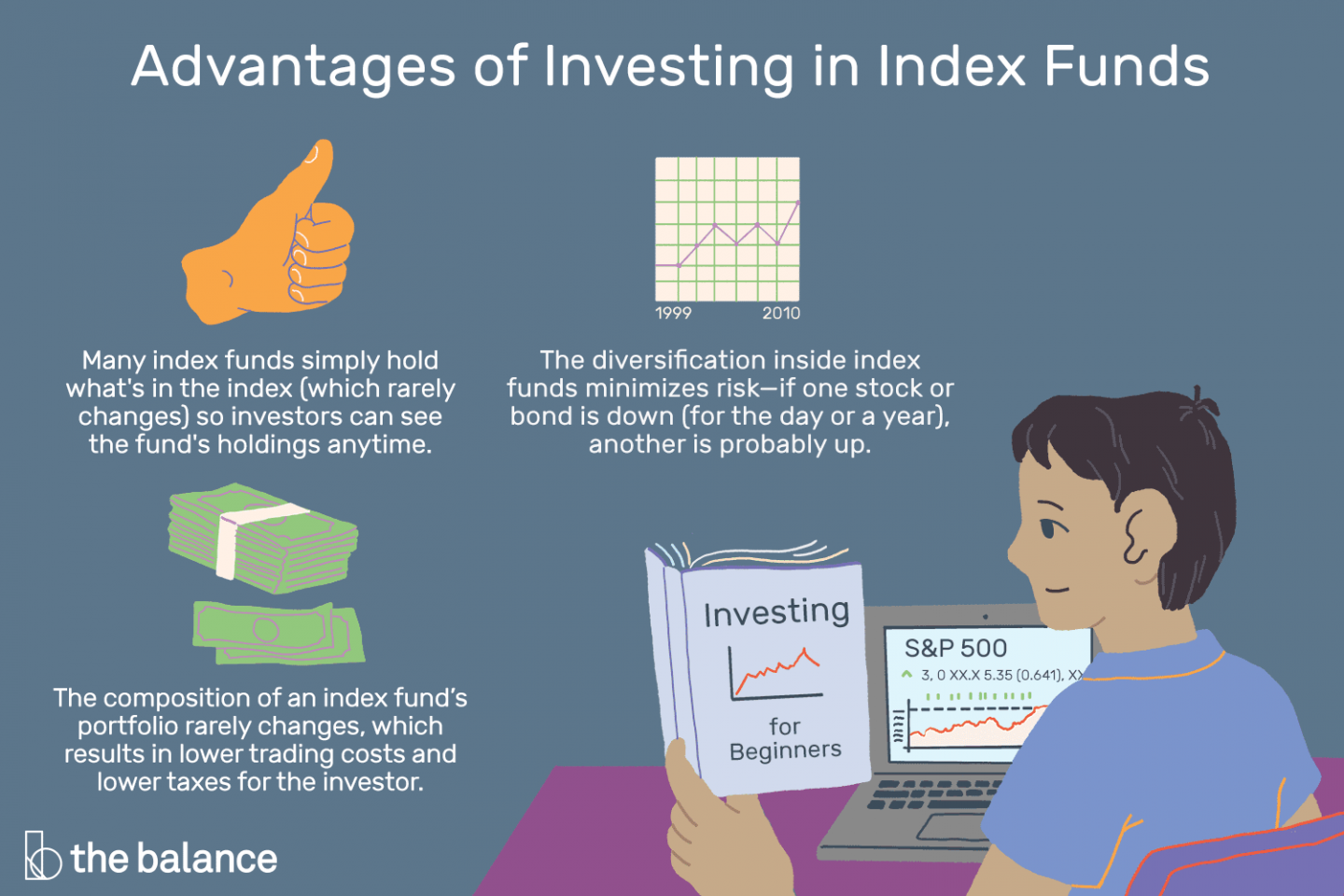
A resilient portfolio relies on asset allocation and diversification. Allocate across stocks, bonds, and cash based on your goals, risk profile, and time horizon. Diversification broadens your exposure across sectors, company sizes, and regions, reducing the impact of any single holding. Low-cost index funds and ETFs can provide instant diversification without constant tinkering. Consider a core-satellite approach: a diversified core for stability and small satellites for specific themes you understand. Beware of concentration risk in a single stock, sector, or trend. Build a simple rebalancing routine to restore your target mix when markets shift; this enforces buy-low, sell-high behavior. Remember that perfect precision is unnecessary; consistent approximations beat anxious inactivity. Keep your portfolio understandable at a glance so you can maintain it through changing conditions. The goal is not a complex puzzle but a clear, durable structure that channels your savings into broad, long-term growth opportunities.
Keep Costs Low and Behaviors Sound
In investing, costs and behavior compound just like returns. Minimize fees and the expense ratio of your funds, since every fraction you save can stay invested on your behalf. Be mindful of trading frequency; excessive turnover can invite costs and emotional decision-making. Set boundaries to manage behavioral biases like fear of missing out, loss aversion, and overconfidence. Pre-commit to dollar-cost averaging, avoid chasing the hottest performers, and judge your portfolio by progress toward goals rather than market noise. Use automation to reduce the mental overhead of decisions and create a stable routine. Maintain a simple cash buffer for near-term expenses so you are not forced into panic selling. Track your contributions, allocation, and rebalancing dates in a lightweight checklist. The combination of low costs, patience, and disciplined habits often matters more than advanced tactics. Keep your system boring and your life interesting; that is a winning formula in personal finance.
Review, Learn, and Adjust Without Overreacting
A strong plan benefits from periodic reviews and modest adjustments. Schedule a recurring checkup to confirm contributions are on track, rebalance if allocations drift meaningfully, and reassess risk tolerance after major life changes. Calibrate, do not overhaul, unless your goals or timeline have truly shifted. Keep learning with a focus on first principles: compounding, diversification, asset allocation, and investor behavior. Develop filters to distinguish durable signals from short-lived noise. When evaluating new ideas, test them against your written plan and consider opportunity costs, complexity, and potential downsides. Watch for red flags such as promises of guaranteed high returns or pressure to act urgently. Maintain clear records so you can see how your strategy performs through varied conditions. Over time, small, patient refinements accumulate into meaningful progress. By reviewing thoughtfully and acting deliberately, you protect your plan, preserve your calm, and let the long-term wealth engine do its work.