Posture Fixes You Can Do at Your Desk
Tired of slumping at work? Fix your posture without leaving your chair. Try these quick ergonomic tweaks, stretches, and habits for a pain-free desk day.
Set Your Base: Chair and Hip Alignment
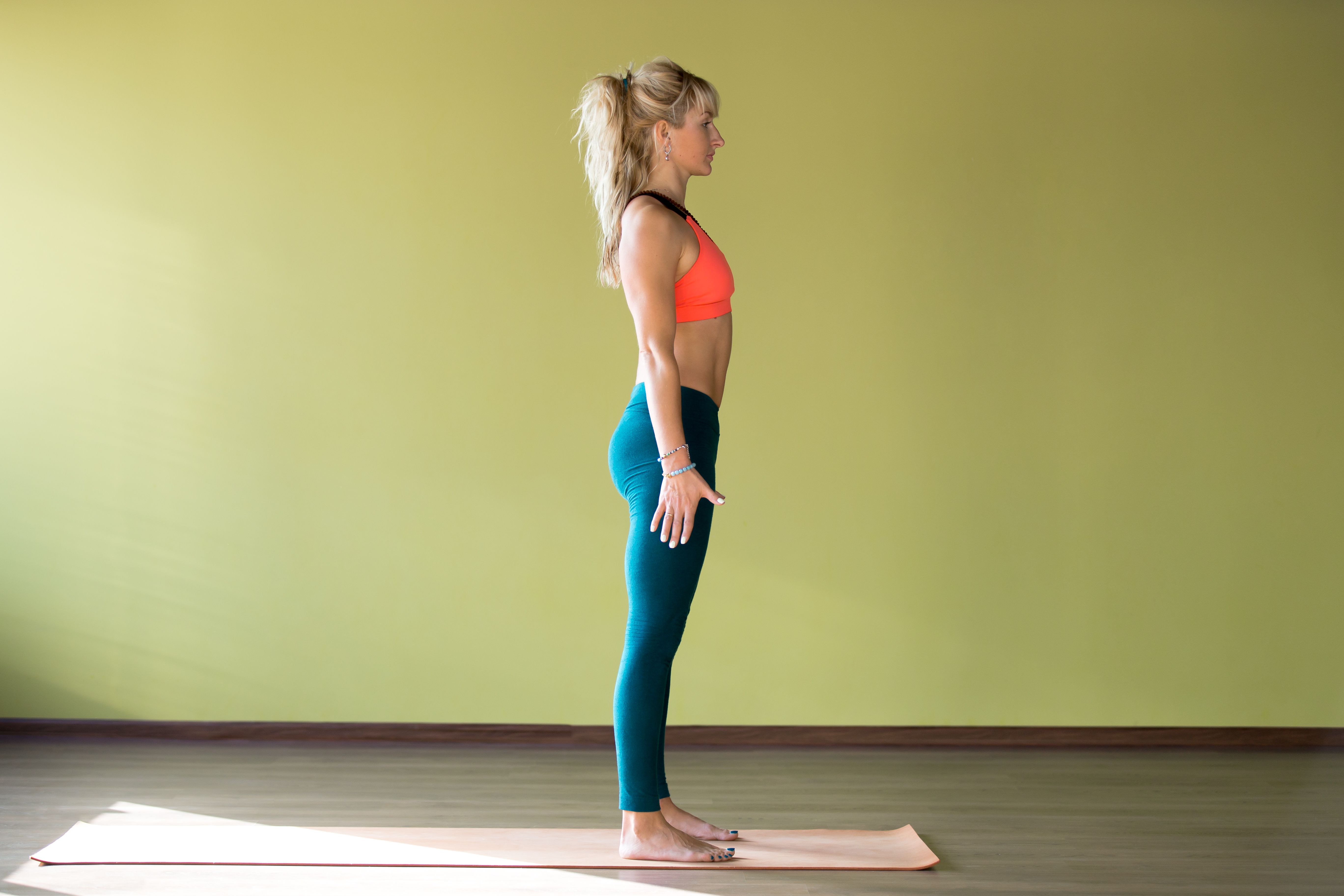
Creating solid posture starts with the foundation under you. Adjust your chair so both feet rest flat and your knees sit at, or just below, hip height. Sit on your sit bones, not tucked under, allowing a gentle neutral spine rather than a rounded slump. Add a small cushion or rolled towel for lumbar support to maintain the natural curve in your lower back. Keep your hips square and avoid crossing your legs for long periods, which can twist the pelvis and strain the lower spine. Slide close enough to your desk so you aren't reaching forward, and let the backrest support a slight recline to reduce pressure on the discs. Set armrests so elbows hover near your sides, shoulders soft, and wrists free to float over the keys. Think of a quiet posture checklist: feet grounded, hips level, ribs stacked, shoulders relaxed, crown of the head tall. This calm, aligned base reduces fatigue and helps every other workstation adjustment fall into place.
Dial In Screen and Keyboard Placement
Once your base is set, bring your tools to you. Position the monitor so the top third is near eye level, at roughly an arm's length, to discourage forward head drift. Center the screen directly in front of you to avoid twisting your neck. Keep the keyboard close, aligned with your shoulders, and use a slight negative tilt to promote neutral wrists. Place the mouse at the same level and distance as the keyboard; avoid reaching or elevating your shoulder. If you use a laptop, raise the screen with stable items and add an external keyboard and mouse so your hands and eyes both live in friendly zones. Angle the screen to reduce glare and encourage upright posture, not chin-jutting squints. Keep reference documents on a stand at similar height to the monitor so your gaze stays level. Small refinements here reduce strain on your neck, shoulders, and forearms, making it easier to type longer with less fatigue and more precision.
Micro-Movements and Active Sitting
Healthy posture at a desk is dynamic. Sprinkle micro-movements throughout your day to keep joints happy and circulation lively. Try ankle pumps, toe taps, and heel rocks to wake up the lower legs. Perform gentle pelvic tilts—rolling the pelvis forward and back—to nourish the lumbar spine. Add scapular retractions by sliding shoulder blades down and together, followed by circles to release tension. Practice chin tucks to counter forward head posture, imagining a string drawing the crown upward. Shift your sit bones occasionally, alternate foot placement on a small footrest, and use a soft hip hinge when leaning forward. Embrace active sitting by keeping light, responsive engagement in your midsection and relaxing unnecessary tension in the jaw and shoulders. Stand for brief intervals or perch on the edge of the chair for a different angle, then return to full support. These subtle changes help prevent stiffness, reduce discomfort, and boost alertness—without disrupting workflow or calling attention to your routine.
Breath, Core, and Tension Management
Your breath is a built-in posture tool. Practice diaphragmatic breathing: inhale through the nose so the ribs expand in a gentle 360-degree pattern, then exhale slowly to let the ribs settle and the core engage lightly. Aim for a soft, steady rhythm rather than forceful breaths. Imagine stacking your ribcage over your pelvis, with ears over shoulders, creating an effortless vertical line. Maintain a light core engagement—just enough to feel supported, not braced—especially when reaching, lifting, or turning in your chair. Pair breathing with brief resets: relax your jaw, slide shoulders away from ears, and soften your hands and forearms. Give your eyes moments of rest by looking at something far away, then gently refocusing on your screen. When pressure rises, try a simple count-based pattern—inhale, hold briefly, exhale longer—to melt tension. This mindful cycle reduces neck and back strain, calms the nervous system, and helps you return to your tasks with clarity and ease.
Quick Desk Stretches and Reset Routine
Build a short reset routine to unwind tight areas. For the neck and shoulders, tilt one ear toward the shoulder while keeping both shoulders down, then add a gentle head turn to target different fibers. Open the chest with a seated pec stretch: clasp hands behind you or hold the chair back, lift the sternum, and breathe deeply. Mobilize the upper back by placing hands behind your head and gently extending over the chair's backrest. For hips, try a seated figure-four stretch and slow hip hinges to lengthen the hamstrings. Show your forearms love with wrist circles and forearm flexor and extensor stretches—palms up and down, fingers gently drawn back. Finish with tendon glides for the fingers and a few spinal rotations while keeping hips steady. Cycle through this sequence for a few focused minutes at intervals during the day. Consistency beats intensity; these small, regular releases restore alignment, ease stiffness, and keep your desk posture feeling strong and sustainable.