Single-Tasking Is the New Superpower
In an age of constant pings, single-tasking is a competitive edge—sharpening focus, reducing errors, and delivering better work in less time.
Why Focus Wins
In the realm of productivity, the modern edge is not doing more at once, but doing one thing fully. Single-tasking channels attention into a tight beam, reducing noise and elevating quality. When your mind is not juggling parallel threads, cognitive load shrinks, working memory clears, and ideas move from hazy to crisp. You notice nuances, spot early errors, and make cleaner decisions because your attention is unfragmented. This is not about working slower; it is about removing the hidden tax of divided focus so throughput improves with fewer reworks and detours. The myth of multitasking suggests speed, yet it often yields shallow output and mental fatigue. In contrast, single-tasking produces clarity, momentum, and a sense of progress that motivates the next focused block. It creates a virtuous cycle: tighter scope, deeper engagement, better results, more confidence. Treat attention like a scarce resource. Invest it in one meaningful target at a time, and the payoff compounds across your day.
The Cost of Context Switching
Every time you pivot from a document to a chat, or from design to email, your brain pays a toll called context switching. There is a residue of the previous task that clings to working memory, blurring your thinking for the next few minutes. Multiply that by frequent pings and your day fractures into distraction confetti. The cost is not just time; it is lost depth. Complex work needs a mental scaffold built from uninterrupted focus. Constant shifts collapse that scaffold, forcing you to rebuild it repeatedly. Consider a simple example: you draft a proposal, glance at a message, skim a dashboard, then return to writing. Now you must reacquaint yourself with the last paragraph, your argument arc, and the pending citation. That reorientation is pure waste. Single-tasking minimizes this churn by preserving the mental state required for deep work. Fewer transitions mean steadier thinking, calmer energy, and more consistent progress with less stress.
A Practical Single-Task Workflow
Turn single-tasking into a repeatable system. First, define one clear outcome for the next block: a finished outline, a solved bug, a finalized sketch. Second, gather inputs upfront—files, notes, references—so your attention does not have to hunt mid-flight. Third, timebox a focused sprint with a simple timer and set a visible start cue to signal commitment. Fourth, use a parking lot note to capture stray thoughts and to-dos without leaving the task. Fifth, work in silence: one window, one document, one goal. Sixth, end with a closure ritual—summarize what you completed, name the next micro-step, and save your progress visibly. Seventh, protect a short break to reset your brain before the next block. This workflow prevents leakage, turns progress into a measurable loop, and builds momentum you can feel. It is humble, boring in the best way, and astonishingly reliable when repeated across your most important priorities.
Designing Your Environment
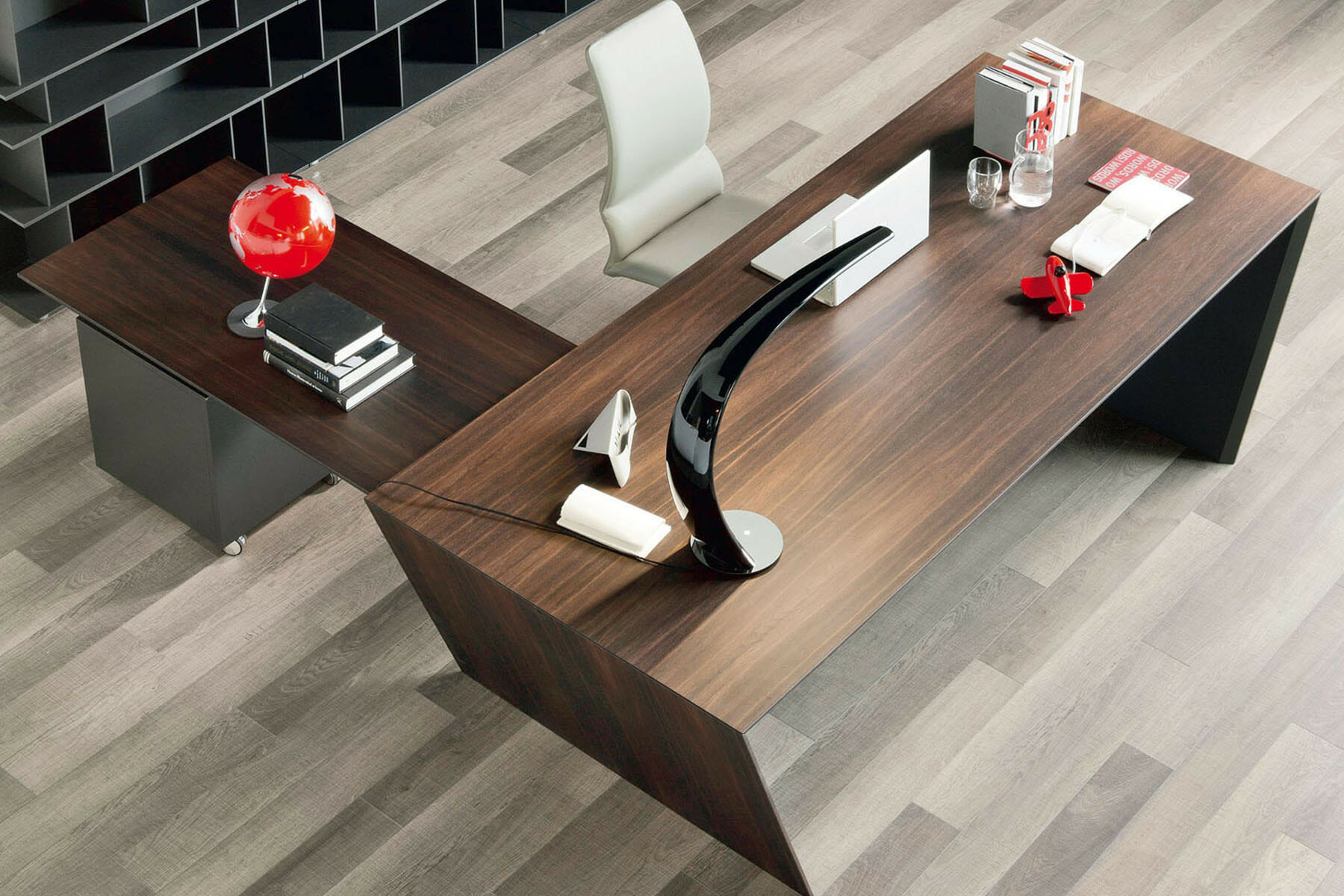
Great focus is easier to keep than to create. Design an environment that defaults to single-tasking. Start by removing easy triggers: close extra tabs, silence nonessential alerts, and keep only the active work on your screen. Reduce friction for the right action by pinning your current document, preparing templates, and staging reference material within one glance. Increase friction for the wrong action by logging out of tempting apps, isolating a dedicated workspace, or using a minimalist desktop. Batch similar communications so they do not puncture every hour. Protect deep work blocks with calendar boundaries and brief expectations with collaborators: when you are heads-down, when you are responsive. Keep tactile cues—a notepad for the parking lot, a physical timer, a cleared desk—to reinforce intent. Environment design is not about willpower; it is about architecture. When the path of least resistance leads to one task, you conserve energy for what actually matters: doing the work well.
Sustaining the Habit
Single-tasking sticks when it becomes identity and rhythm, not a one-off experiment. Begin each day by choosing a daily highlight—the one task worth protecting—and commit your first fresh block to it. Track simple metrics: number of focused blocks completed, minutes protected, or tasks finished without switching. Celebrate small wins to reinforce the loop of effort and reward. Expect friction: interruptions, urgency theater, and the itch to check. Prepare scripts to defer requests kindly, plus a fast capture method so nothing feels lost. Build recovery into your system—brief walks, hydration, and screen breaks—to keep attention elastic. End with a quick review: what moved, what stalled, what you will start next time. Over time, you will notice lower stress, steadier output, and a quieter mind. That calm is not accidental; it is the compound interest of repeatedly choosing one thing. Protect your attention, and it will protect your results.