The Anatomy of an Engine: Pistons, Valves, and Power
Explore how pistons, valves, and timing transform fuel into motion, revealing the core mechanics that create power in modern combustion engines.
Overview of Engine Anatomy. At its core, a modern engine is a finely tuned machine that transforms chemical energy into mechanical power. The engine block houses cylinders where pistons surge up and down, while a crankshaft converts that reciprocating motion into rotation that turns the wheels or drives accessories. Above, the cylinder head contains valves, ports, and passages guiding intake air in and exhaust gases out. Most road engines follow the four-stroke cycle: intake, compression, power, and exhaust. In each cycle, a fuel–air mixture is drawn in, squeezed to boost pressure, ignited for combustion, and then cleared for the next charge. The camshaft orchestrates valve events, the ignition system lights the mixture, and the lubrication and cooling systems maintain durability. When these elements are balanced, the result is reliable torque, crisp throttle response, and efficient energy conversion, making engines the beating heart of countless motors in transportation and machinery.
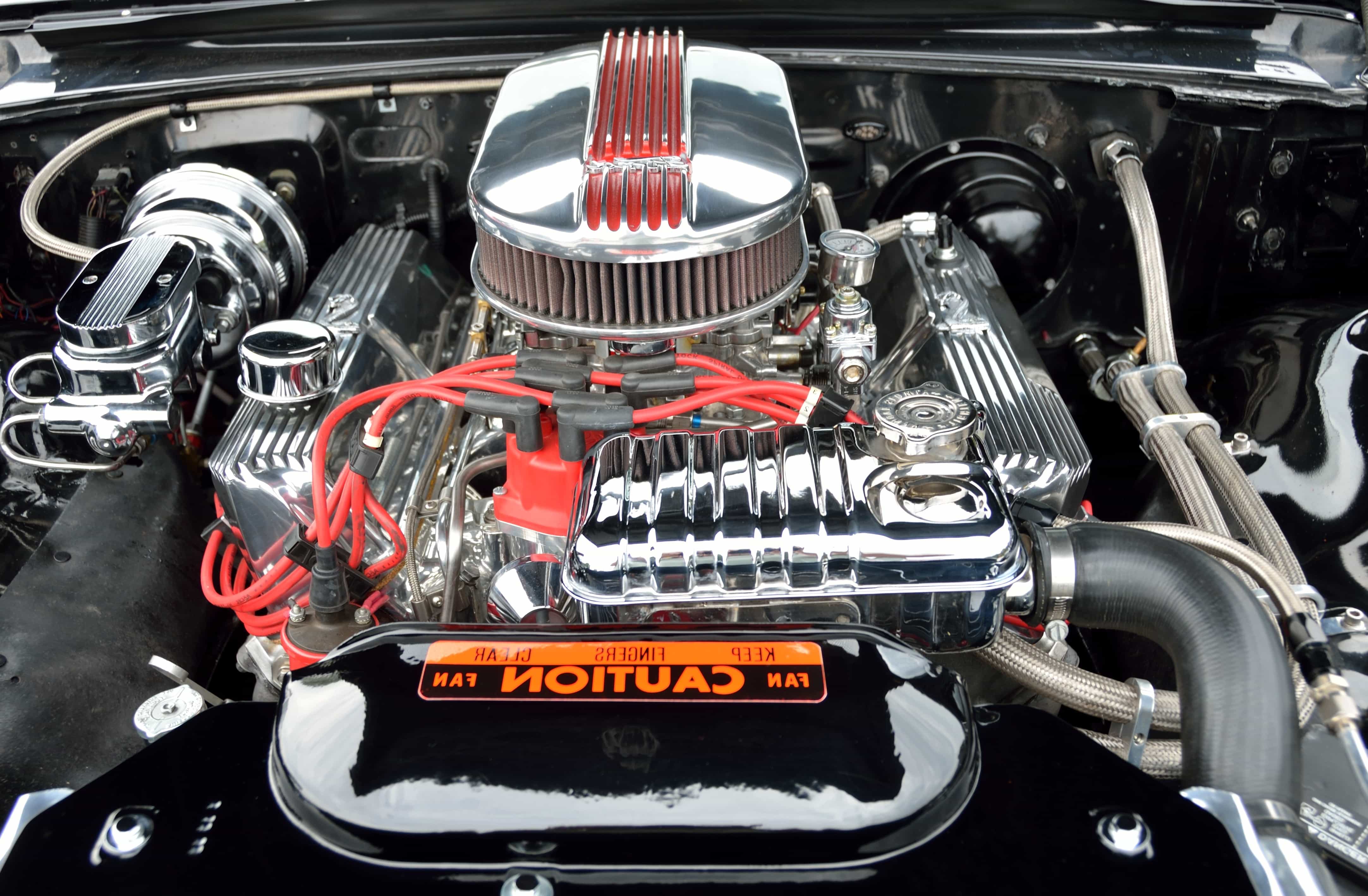
Pistons and Their Journey. The piston rides within the cylinder on a thin film of oil, sealed by compression rings and an oil control ring to contain pressure and manage lubrication. Anchored by a wrist pin to the connecting rod, it translates expanding combustion gases into downward force, which the crankshaft converts into rotational torque. At top dead center and bottom dead center, motion reverses, demanding precise clearances to avoid scuffing and to handle thermal expansion. Modern pistons often feature carefully contoured crowns to encourage mixture turbulence and faster flame travel, enhancing efficiency and power density. Designers balance mass for reduced inertia, optimize skirt profiles to cut friction, and engineer cooling galleries that lower temperatures around the ring lands. Proper lubrication, clean filtration, and stable temperatures keep the sliding partnership of piston, rings, and cylinder walls healthy, preventing blow-by, reducing oil consumption, and sustaining strong compression stroke after stroke.
Valves and the Timing Ballet. The valvetrain choreographs air in and gases out with exacting timing. Intake valves open to admit a fresh charge, and exhaust valves release spent gases, all under the command of a camshaft whose lift and duration shape how an engine breathes. Through rocker arms, lifters, and precise springs, valves seal against hardened seats, preserving compression and resisting heat. Systems with variable valve timing or adjustable cam phasing shift opening and closing points to optimize torque at low speeds and power at high speeds, improving volumetric efficiency across the rev range. Designs vary, from overhead cam layouts to pushrod architectures, each with distinct packaging and inertia traits. The key is synchronization with the crankshaft, usually through a timing belt, chain, or gears, ensuring intake, compression, power, and exhaust events align perfectly. Any deviation risks misfire, backflow, or even mechanical interference, underscoring the precision demanded by this metronomic system.
Combustion, Mixture, and Control. Peak performance and efficiency hinge on how well an engine mixes and burns its fuel–air charge. As the intake stroke draws air through runners and ports, clever geometry promotes swirl and tumble, improving atomization and flame propagation. The compression stroke raises temperature and pressure, priming the mixture for ignition. A precisely timed spark initiates a flame front that must advance smoothly, converting expanding gases into useful work without knock or detonation. The combustion chamber shape, compression ratio, and ignition timing calibrate this dance, while careful fuel delivery maintains the desired air–fuel ratio under varying loads. On the exhaust stroke, rapid evacuation reduces residuals, keeping intake charge purity high. Throughout, responsive engine management trims spark and fueling to protect components and uphold driveability, ensuring consistent starts, clean transitions, and stable idle even as operating conditions shift.
Power, Torque, and Breathing. Torque is the twisting force at the crankshaft, born from cylinder pressure acting on the piston and levered by the crank throw. Power reflects how quickly that torque is delivered, rising as engine speed increases, which is why gearing and rev range shape real-world feel. Strong low-end torque aids effortless launches and towing, while robust high-rpm power supports rapid acceleration. The bridge between them is breathing. Engines that move more air mass per cycle achieve higher volumetric efficiency, whether naturally aspirated with tuned intake runners and exhaust headers, or forced induction via turbocharging or supercharging that packs denser charge into cylinders. Cam lift, duration, and overlap influence scavenging and cylinder fill, while well-designed intercooling and heat management keep charge temperatures in check. The art lies in harmonizing airflow, fueling, and timing so that every stroke contributes clean, controlled, and repeatable output.
Durability, Efficiency, and Care. Lasting motors are built on disciplined thermal control, robust lubrication, and vigilant maintenance. Coolant coursing through the block and head sheds heat, while the oil pump feeds bearings, cam lobes, and piston skirts, forming protective films that prevent metal-to-metal contact. Clean filters capture debris, and carefully chosen viscosity preserves flow at cold start yet resists thinning when hot. Internal tolerances allow predictable expansion, and strong bearings support the crankshaft against relentless loads. Operators preserve health by monitoring oil levels, respecting warm-up periods, and addressing unusual vibrations or noises before they escalate. Thoughtful tuning that avoids excessive detonation, controls exhaust temperatures, and balances air–fuel ratios enhances longevity as well as efficiency. When parts, fluids, and calibration work in concert, the engine delivers dependable power, consistent torque, and refined manners over a long service life, fulfilling the promise of meticulous mechanical design.